Surface preparation is a critical aspect of manufacturing that often goes unnoticed. It sets the foundation for effective bonding and finishing processes. Experts in the field emphasize its importance. One such expert, Dr. Jane Smith, a leading materials scientist, states, "Surface preparation is not just a step; it is the key to ensuring product longevity and performance." This highlights what is the role of surface preparation in manufacturing.
A well-prepared surface enhances adhesion, reduces defects, and boosts the overall quality of the end product. Manufacturers face challenges in achieving the right surface conditions. Inconsistent techniques can lead to issues like poor adhesion and premature failure. The right preparation method varies with materials and processes used.
Neglecting surface preparation can have significant consequences. Products may fail under stress or show signs of deterioration sooner than expected. Attention to detail is crucial. What seems minor can undermine an entire production effort. Therefore, understanding and implementing the right surface preparation techniques is a foundational aspect of successful manufacturing.
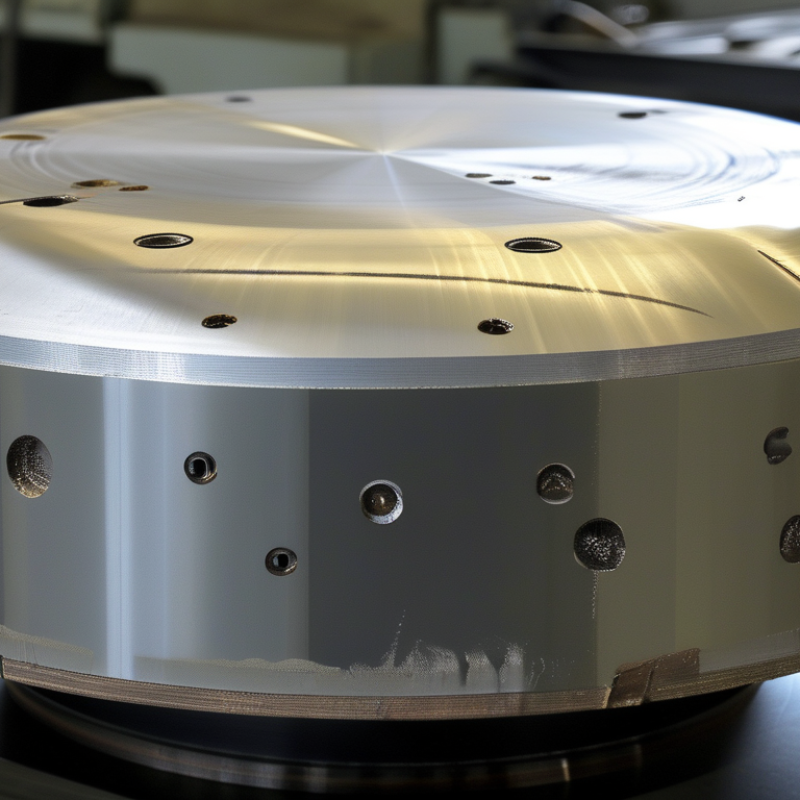
Importance of Surface Preparation in Enhancing Product Quality
Surface preparation plays a critical role in enhancing product quality in manufacturing. It sets the foundation for various processes. According to a report by the Manufacturing Institute, about 60% of product failures can be traced back to inadequate surface preparation. This statistic highlights the importance of this step in ensuring reliability and performance. Proper surface treatment can increase adhesion strength for coatings and finishes, which directly impacts durability.
Different methods of surface preparation, such as abrasive blasting or chemical treatments, yield diverse results. A study in the Journal of Coatings Technology shows that components with well-prepared surfaces can exhibit up to a 30% improvement in adhesion compared to those without optimal preparation. While these methods are effective, their execution can be inconsistent. Many manufacturers face challenges in maintaining uniform surface quality, leading to variability in product outcomes. This inconsistency demands ongoing training and evaluation.
Regular audits of surface preparation techniques are essential for quality assurance. Despite advancements in technology, human error can still play a role. The American Society of Mechanical Engineers mentions that 25% of quality assurance failures arise from improper surface preparation. These figures emphasize the need for manufacturers to invest in better training and oversight. Continuous improvement in surface preparation is not just preferable; it is crucial for achieving high-quality manufacturing standards.
Impact of Surface Preparation on Adhesive Bond Strength in Manufacturing
Surface preparation is vital in manufacturing, especially regarding adhesive bond strength. The quality of surface treatment can directly affect how well adhesives adhere. A clean and appropriately treated surface promotes stronger bonds, while contaminants can lead to weak adhesion. This is critical in structural applications where failure is not an option.
When preparing surfaces, consider abrasive cleaning methods. Sandblasting or grinding can effectively remove impurities. A rougher surface often leads to better mechanical interlocking with adhesives. However, over-preparation can negatively affect bond quality. Hence, achieving the right balance is essential.
One common mistake is neglecting to check for contaminants after cleaning. Oil and dust can settle quickly. Using a lint-free cloth to wipe the surface is a simple yet effective solution. Also, monitor humidity levels; moisture can interfere with adhesive performance. Ensuring a dry environment will enhance bond strength.
In practice, be mindful of the material types. Different substrates might require unique surface treatments. An inexperienced operator may skip essential steps in this process. Regular training can mitigate this risk and ensure adherence to best practices. Strong adhesive bonds begin with skilled surface preparation.
Role of Surface Preparation in Corrosion Resistance and Longevity
Surface preparation plays a crucial role in enhancing the corrosion resistance and longevity of manufactured components. Preparing a surface involves cleaning, grinding, or polishing to remove contaminants. Every imperfection or residue can lead to unexpected corrosion. For instance, a small layer of grease can become a breeding ground for rust. Hence, meticulous attention is needed during this stage.
A properly prepared surface ensures that protective coatings adhere effectively. This adherence is vital for preventing moisture infiltration. Without good adhesion, even the best coating can fail prematurely. The lifespan of machinery and structural components can significantly diminish if surface preparation is neglected. Manufacturers must regularly assess their preparation techniques to improve outcomes.
Investing time in surface preparation is essential, yet some processes are often rushed. This can lead to overlooked details that compromise quality. Evaluating current practices can reveal areas for improvement. By refining surface preparation methods, manufacturers not only enhance product durability but also build trust with their clients.
What is the Importance of Surface Preparation in Manufacturing? - Role of Surface Preparation in Corrosion Resistance and Longevity
| Surface Preparation Method |
Effect on Corrosion Resistance |
Longevity Impact |
Typical Applications |
| Sand Blasting |
Highly effective, removes existing rust and contaminants |
Increases lifespan by up to 50% |
Metal fabrication, construction |
| Chemical Cleaning |
Effectively removes oils, greases, and oxidation |
Enhances durability and adhesion of coatings |
Industrial equipment, pipelines |
| Mechanical Abrasion |
Moderate effectiveness, dependent on material type |
Can prolong service life, usually 20-30% |
Automotive parts, molding tools |
| Electrolytic Cleaning |
Excellent for removing rust and improved surface finish |
Extends the life of components by 40% |
Electronics, aerospace |
| Pickling |
Very effective for cleaning metal surfaces |
Significantly improves lifespan against corrosion |
Stainless steel components, machinery |
Effectiveness of Various Surface Preparation Techniques in Industry Standards
Surface preparation is critical in manufacturing. It affects product adhesion, durability, and overall performance. A study by the National Institute of Standards and Technology (NIST) highlights that proper surface treatment can enhance bond strength by 30% to 50%. Different techniques yield varying results in different materials. For instance, abrasive blasting can provide a rough surface ideal for coating, while chemical treatments can selectively remove contaminants.
The effectiveness of surface preparation techniques often depends on the application. According to a report from the International Journal of Advanced Manufacturing Technology, mechanical methods offer benefits for metallic surfaces, but they can induce micro-defects. This raises concerns for applications where high precision is essential. Similarly, while chemical processes are effective, they require careful handling to avoid unintended surface alterations.
In many cases, manufacturers adopt a combination of methods, recognizing that no single technique is universally perfect. The surface preparation process must be tailored to specific materials and end-use conditions. By balancing various approaches, manufacturers can optimize surface properties and enhance product performance. However, constant evaluation of these techniques is necessary to ensure they meet evolving industry standards.
Economic Benefits of Efficient Surface Preparation Processes in Manufacturing
Efficient surface preparation in manufacturing significantly boosts economic returns. When surfaces are prepared correctly, the bond between materials improves, reducing the need for rework. According to a recent industry study, up to 30% of manufacturing costs can be attributed to poor surface preparation practices. This statistic underscores the importance of investing in high-quality processes.
Additionally, effective surface preparation can enhance operational efficiency. Data shows that manufacturers who implement advanced techniques experience a 20% decrease in cycle times. These techniques include techniques like shot blasting or chemical cleaning, which are crucial for creating optimal surfaces for coatings and adhesion. With proper surface preparation, manufacturers also minimize defects, leading to higher product quality and customer satisfaction.
However, not all companies prioritize this aspect of production. Some overlook the potential costs associated with inadequate surface preparation. As a result, they face increased waste and higher expenses related to product failures. Reflecting on this, companies could benefit from reassessing their surface preparation methods. Upgrading these processes may require upfront investment but can lead to substantial long-term savings.
Economic Benefits of Efficient Surface Preparation Processes
This chart illustrates the economic benefits associated with different surface preparation processes in manufacturing, showcasing the cost savings, efficiency improvements, and quality enhancements that can be achieved.
FAQS
: Surface preparation is crucial as it sets the foundation for product quality. Inadequate preparation can lead to failures.
Reports indicate that about 60% of product failures trace back to insufficient surface preparation, stressing its importance.
Common methods include abrasive blasting and chemical treatments, each yielding varied results depending on their application.
Proper treatment can improve adhesion strength by 30% to 50%, enhancing product longevity and performance significantly.
Many manufacturers struggle with maintaining uniform surface quality, leading to variability, which demands training and evaluation.
Good surface preparation removes contaminants, preventing corrosion and extending the lifespan of machinery and structural components.
Yes, mechanical methods can induce micro-defects and chemical methods require careful handling to avoid altering surfaces unintentionally.
Rushed processes may overlook critical details, compromising quality and leading to potential failures in the final products.
Regular assessment and evaluation of current practices can identify areas for improvement, enhancing durability and client trust.
No single technique is perfect. Manufacturers often use a combination to optimize surface properties for specific needs.
Conclusion
Surface preparation plays a crucial role in manufacturing by significantly enhancing product quality and performance. What is the role of surface preparation in manufacturing? It primarily involves preparing surfaces to improve adhesive bond strength, which is essential for creating durable products. Additionally, effective surface preparation boosts corrosion resistance and extends the longevity of manufactured items, leading to better overall reliability.
Moreover, various surface preparation techniques align with industry standards and are critical for achieving consistent and high-quality results. These processes not only improve product durability but also offer economic benefits by optimizing efficiency and reducing waste in manufacturing operations. Ultimately, investing in proper surface preparation can lead to significant cost savings and improved product performance in the competitive manufacturing landscape.
 Blatrixo Machine
