 Blatrixo Machine
Blatrixo Machine
Blatrixo Machine
Selecting the right abrasive materials is crucial for surface preparation. In various industries, the choice of abrasives greatly affects efficiency and results. According to a recent report by the Abrasive Industry Association, improper selection can increase costs by 30%. This highlights the importance of understanding how to select the right abrasive materials for different surfaces.
Expert John Smith, a renowned materials specialist, emphasizes, “Choosing the correct abrasive can make or break a project.” Different surfaces require specific types of abrasives to achieve optimal results. For instance, harder materials like ceramics are ideal for metal surfaces, while softer abrasives suit wood and delicate finishes. Missteps in selection can lead to inadequate performance and wasted resources.
Practitioners frequently face the challenge of suitable abrasive choices. Factors such as material hardness, surface texture, and intended finish add complexity. The right selection is often a blend of experience and knowledge, making expert guidance invaluable. Remember, how to select the right abrasive materials for different surfaces is not a one-size-fits-all answer. Each situation demands careful evaluation and adjustment to achieve the best outcome.
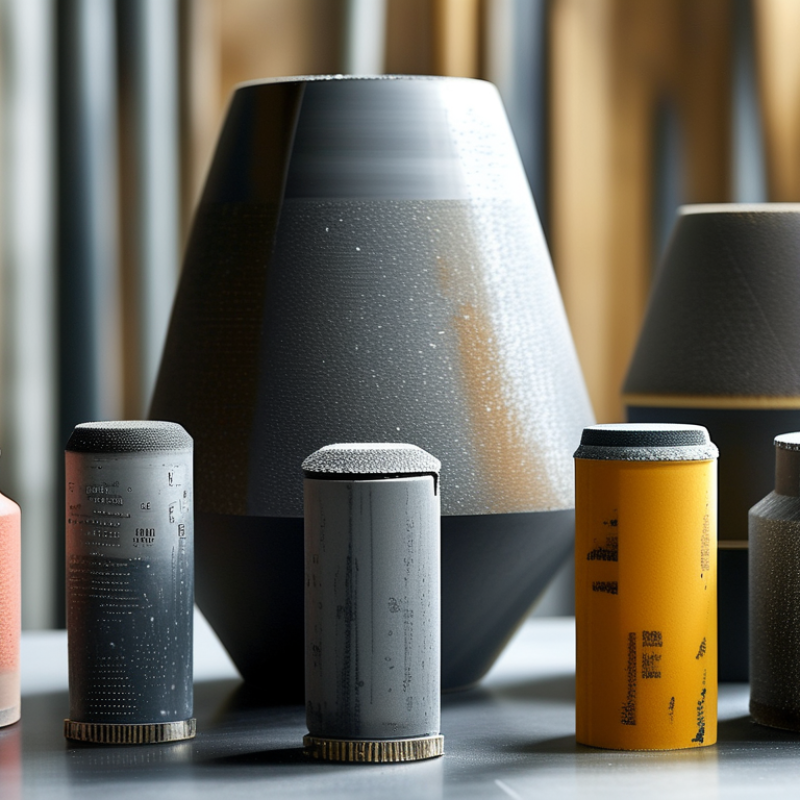
When selecting abrasive materials, understanding the surface hardness and composition is crucial. Materials range from soft metals to hard ceramics, each requiring specific abrasives. For instance, aluminum oxide is ideal for materials with lower hardness. It effectively smoothens surfaces without excessive wear.
In contrast, surfaces like steel and tempered glass necessitate more robust options. Silicon carbide exhibits superior hardness, making it suitable for tougher tasks. A recent industry report indicated that over 50% of professionals cite surface compatibility as a key factor in their abrasive choices. This highlights a common knowledge gap—many overlook the significance of these specifications.
Furthermore, considerations extend beyond hardness. The surface composition, such as the presence of coatings, can alter abrasive performance dramatically. Some professionals report challenges when using standard abrasives on coated surfaces. They often find unexpected wear rates and inconsistent finishes. Understanding this variability helps in making better selections. It's essential to approach each project with a willingness to adapt and learn from past experiences.
: Natural abrasives are derived from mineral sources, like garnet and emery.
They often have poor performance consistency, affecting the end result.
They offer controlled consistency and durability for specific applications.
They are ideal for detailed and prolonged work on harder surfaces.
Yes, synthetic options typically come with higher costs due to their manufacturing processes.
Finer grit produces a smoother finish, while coarser grit allows for heavier material removal.
Absolutely. Incorrect selection can cause surface damage or lead to inefficiencies.
Assess the surface type, desired finish, cost, and environmental impact before making a choice.
Yes, hands-on experience helps uncover nuances and improves selection.
While helpful, guidelines may not cover all situations, and testing is crucial.
Selecting the right abrasive materials for different surfaces is crucial for achieving efficient material removal and maintaining surface quality. The process begins with understanding the surface hardness and composition, as these factors determine the type of abrasive that will be most effective. Evaluating grit size is equally important, as it influences the material removal rates; finer grits are excellent for finishing work, while coarser grits are suitable for heavy stock removal.
Additionally, one must consider the bonding agents used in abrasive products, as they affect durability and performance. A comparison between natural and synthetic abrasives reveals varying advantages depending on the application requirements. Lastly, adhering to industry standards ensures that the selected abrasives meet performance benchmarks, thereby guiding users on how to select the right abrasive materials for different surfaces. By considering these aspects, one can optimize their abrasive selection process for specific tasks efficiently.
