Blatrixo Machine Blatrixo Machine

How to Troubleshoot Uneven Surface Treatment Results Effectively?

Time:2026-08-23 Author:Ethan
0%

Uneven surface treatment results are a common challenge in various industries. According to a report from the Surface Engineering Association, up to 30% of projects face issues related to inconsistent coatings and finishes. This leads to increased costs and time delays. Understanding how to troubleshoot uneven surface treatment results is essential for maintaining high-quality standards.

Inaccurate application techniques often contribute to these uneven results. Factors such as substrate preparation and environmental conditions play critical roles in surface treatment outcomes. A study by the American Society for Coatings and Linings found that 45% of surface failures come from inadequate surface preparation. Professionals must reflect on their processes and identify areas for improvement.

Recognizing and addressing these issues head-on can enhance the effectiveness of surface treatments. With a proactive approach, it's possible to minimize errors and ensure consistent results. Learning how to troubleshoot uneven surface treatment results can make a significant difference in overall project success and client satisfaction.
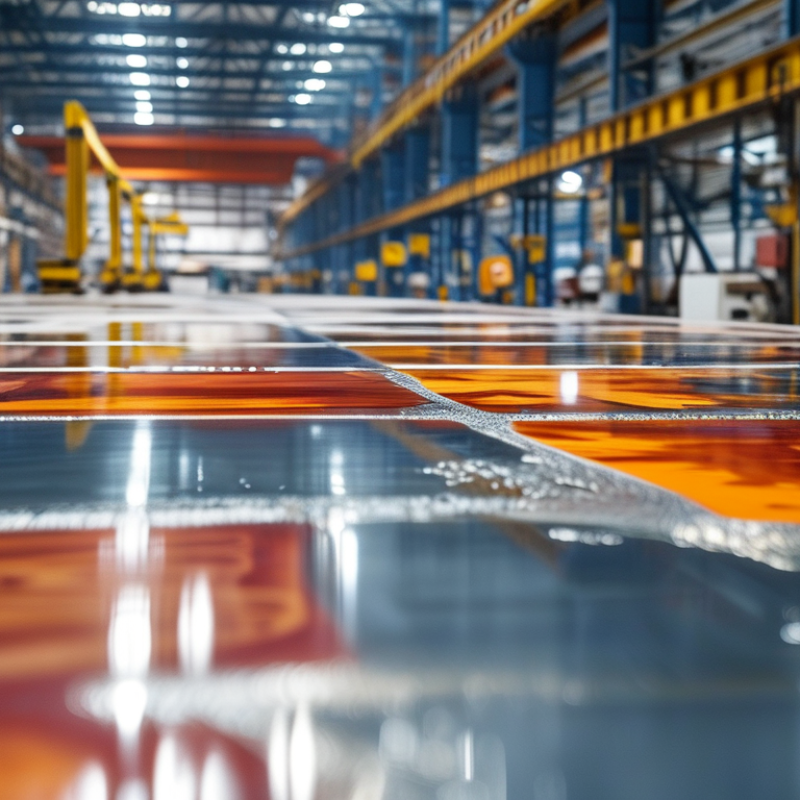
How to Troubleshoot Uneven Surface Treatment Results Effectively?

Identifying Common Causes of Uneven Surface Treatment Results

Uneven surface treatment results can stem from various technical and environmental factors. One common cause is improper surface preparation. For instance, inadequate cleaning or insufficient roughening can lead to poor adhesion. According to a recent industry report, nearly 30% of surface treatment failures are attributed to insufficient surface preparation. This statistic highlights the importance of thorough pre-treatment processes.

Another issue may arise from inconsistent application methods. Variations in pressure, speed, or angle during treatment can create uneven coatings. An analysis by a leading materials science institution found that 40% of coating irregularities result from application inconsistencies. This demonstrates the need for standardized procedures and operator training to ensure uniformity.

Environmental conditions should also be considered. Humidity, temperature, and air quality can significantly impact the curing and adhesion of surface treatments. A study indicated that fluctuations in temperature during application could lead to a 25% increase in defects. Recognizing these influences is vital for achieving consistent results. Proper monitoring and control of the environment is essential for successful surface treatments.

How to Troubleshoot Uneven Surface Treatment Results Effectively? - Identifying Common Causes of Uneven Surface Treatment Results

Cause Description Potential Solutions
Inconsistent Mixture Variation in mixture ratios leading to uneven application. Ensure precise measurements and thorough mixing before application.
Surface Contamination Debris, dust, or oily residues affect adhesion. Clean the surface thoroughly before treatment.
Environmental Factors Humidity and temperature fluctuations during application. Conduct treatment in controlled environments whenever possible.
Application Technique Different methods of application can lead to uneven coverage. Train staff on consistent application techniques and tools.
Equipment Issues Faulty or malfunctioning equipment can cause uneven results. Regularly maintain and calibrate equipment for optimal performance.

Evaluating Surface Preparation Techniques for Consistency

Surface preparation is crucial for achieving consistent results in surface treatment processes. Various techniques can lead to uneven surfaces if not executed properly. One common issue arises from improper cleaning methods. Residue left on the surface can prevent treatments from adhering uniformly. It is vital to choose the right cleaning agent. Additionally, the technique of application plays a significant role in consistency. Uneven pressure during application can lead to an inconsistent finish.

Evaluating your surface preparation techniques is just as important as the treatment itself. Different materials may require different approaches. For example, sandblasting can be effective for rough surfaces, but it may create pits that affect uniformity. Take time to test methods on smaller areas first. This can highlight potential issues before a full-scale application.

Another factor to consider is environmental conditions. Temperature, humidity, and surface moisture can impact the final results. A rushed job in adverse conditions often leads to dissatisfaction. When troubleshooting, reflect on these areas. Ask yourself if your process is truly optimized for consistency and quality. Make adjustments based on these insights to enhance your surface treatment results.

Assessing the Application Process: Tools and Techniques

When assessing uneven surface treatment results, examining the application process is key. Professionals need appropriate tools to ensure consistency. For instance, a recent study from the Surface Coating Institute indicates that 25% of surface defects stem from improper equipment calibration. This emphasizes the necessity for rigorous checks prior to application.

Techniques vary widely, from spray patterns to roller application, each demanding specific attention. A 2022 report from the Coatings and Finishing Journal revealed that 18% of users reported inconsistent results due to inadequate technique. Monitoring factors such as distance from the surface and angle can significantly impact the finish. Keeping a detailed log of these variables may help in understanding performance discrepancies over time.

However, even with the best tools and practices, variations can occur. Evaluating the surface pre-treatment is often overlooked, yet it contributes to uneven results. According to the Processing Performance Review, 22% of product failures relate to substrate conditions. Flaws in the surface can disrupt adhesion and lead to unsatisfactory outcomes. Reflecting on these aspects can offer insights for improvement.

Analyzing Environmental Factors Affecting Surface Treatments

Environmental factors play a crucial role in the effectiveness of surface treatments. Humidity levels can significantly alter how chemicals interact with surfaces. High humidity may lead to improper adhesion, while too low humidity can cause curing issues. It's essential to monitor these conditions closely for optimal results.

Temperature also affects the application and performance of surface treatments. Extreme cold can slow down chemical reactions, while excessive heat may cause rapid drying. Each of these scenarios can lead to uneven results. A consistent environment helps ensure uniform application.

In addition to these factors, surface cleanliness is vital. Contaminants like dust or oil can prevent adhesion, leading to patchy treatments. Inspecting and preparing surfaces thoroughly can mitigate these risks. Achieving optimal surface treatment requires attention to these environmental and operational details.

Environmental Factors Affecting Surface Treatment Results

Implementing Quality Control Measures for Surface Treatment Processes

Quality control is crucial in surface treatment processes. Even minor inconsistencies can lead to significant issues. To ensure uniform results, implement meticulous measurement techniques. Regularly calibrate equipment to avoid discrepancies. This simple step can greatly enhance treatment outcomes.

Evaluate the surface conditions before treatment. Factors like temperature and humidity can influence results. Be aware of these variables to minimize unforeseen issues. Training staff to recognize potential problem areas is essential. Empowering them improves precision in surface preparation.

Tips for effective quality control include using checklists during treatment. This helps maintain consistency across projects. Another important strategy is to conduct sample tests. Analyze these to gain insights into potential failures. Ignoring these steps can result in uneven finishes. Make time for a thorough review of your processes. Continuous improvement is key to achieving optimal results.

FAQS

: What is a major cause of uneven surface treatment results?

: Improper surface preparation is a significant cause. Inadequate cleaning or roughening leads to poor adhesion.

Why is training important in surface treatment?

Training ensures operators apply treatments consistently. Variations in technique can result in uneven coatings.

How do environmental conditions affect surface treatments?

Humidity and temperature greatly influence adhesion. Fluctuating temperatures can cause up to 25% more defects.

What role does equipment calibration play in surface treatment?

Proper calibration is essential. Around 25% of surface defects arise from calibration issues with the tools.

Can surface cleanliness impact treatment outcomes?

Yes, contaminants like dust hinder adhesion. They often lead to patchy and uneven results.

How can professionals improve application consistency?

Monitoring factors like angle and distance during application is crucial. Keeping logs can provide insights into discrepancies.

Are there limits to even the best practices in surface treatment?

Yes, variations can still occur despite best efforts. Continuous evaluation is needed to identify hidden issues.

What should be considered when preparing surfaces?

Condition of the substrate is vital. Even minor flaws can disrupt adhesion and affect overall results.

Is it possible to prevent issues during treatment application?

Monitoring environmental conditions closely is necessary. Consistency is key to preventing uneven application outcomes.

Why is thorough pre-treatment important?

A significant number of failures result from insufficient pre-treatment. Proper preparation leads to better final results.

Conclusion

In the pursuit of achieving consistent results in surface treatments, knowing how to troubleshoot uneven surface treatment results is essential. This process begins with identifying common causes, which may include inadequate surface preparation or inconsistencies in the application techniques. Evaluating surface preparation methods ensures a uniform foundation, while assessing the tools and techniques used during application can reveal discrepancies in results.

Moreover, environmental factors play a significant role in the success of surface treatments. Factors such as humidity, temperature, and dust can adversely affect outcomes. Implementing stringent quality control measures throughout the surface treatment process helps maintain standards and identify issues early on. By systematically addressing these areas, professionals can enhance the effectiveness and reliability of surface treatments, leading to improved performance and satisfaction.

Ethan

Ethan

Ethan is a seasoned marketing professional with a deep expertise in our company's innovative product line. With a passion for sharing knowledge and insights, he takes the lead in regularly updating our corporate blog, where he explores industry trends, product features, and effective marketing......