1 / 5
 Blatrixo Machine
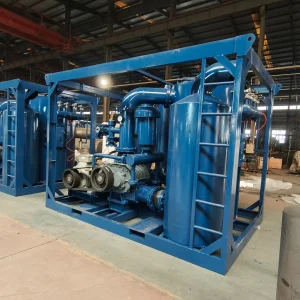
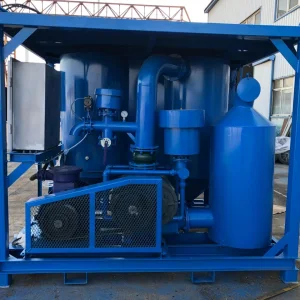
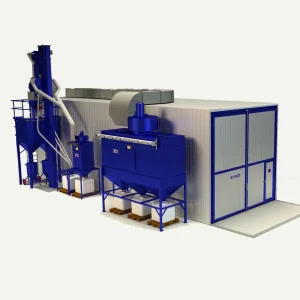
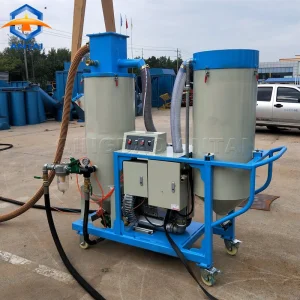
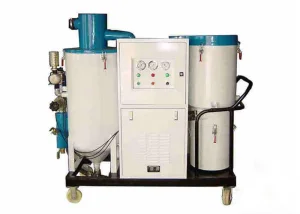
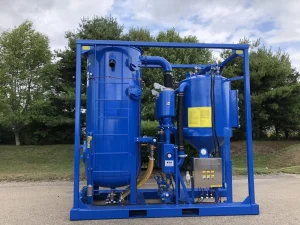
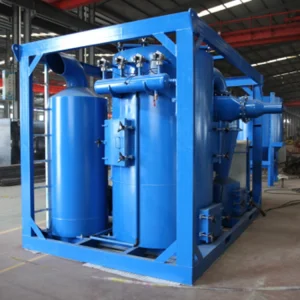
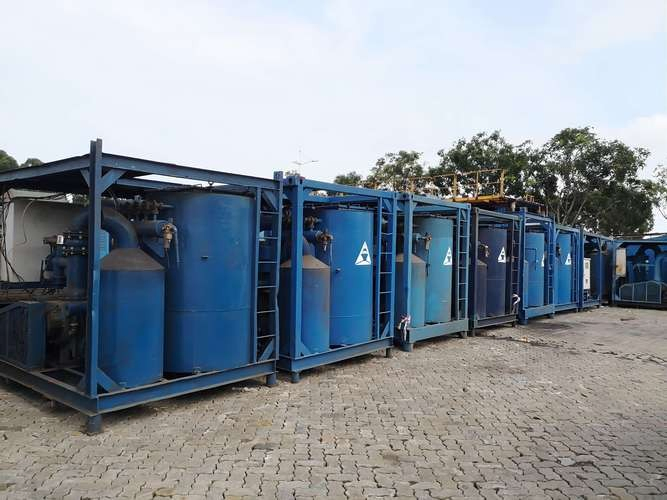
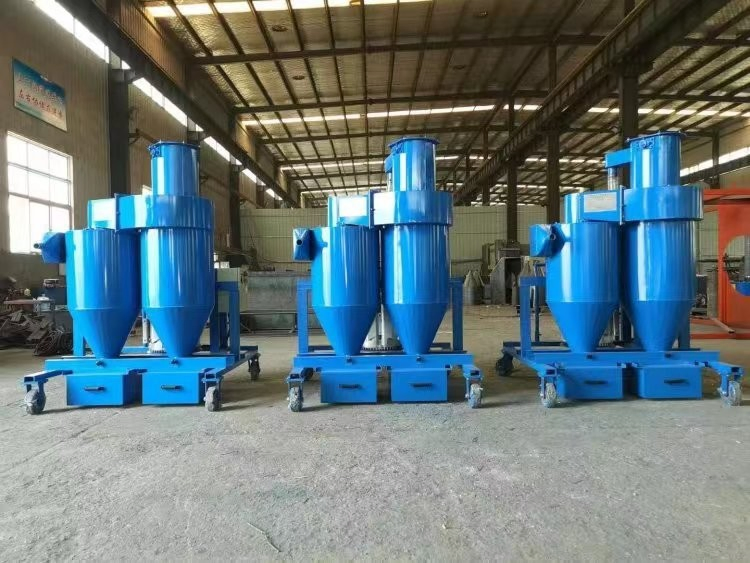
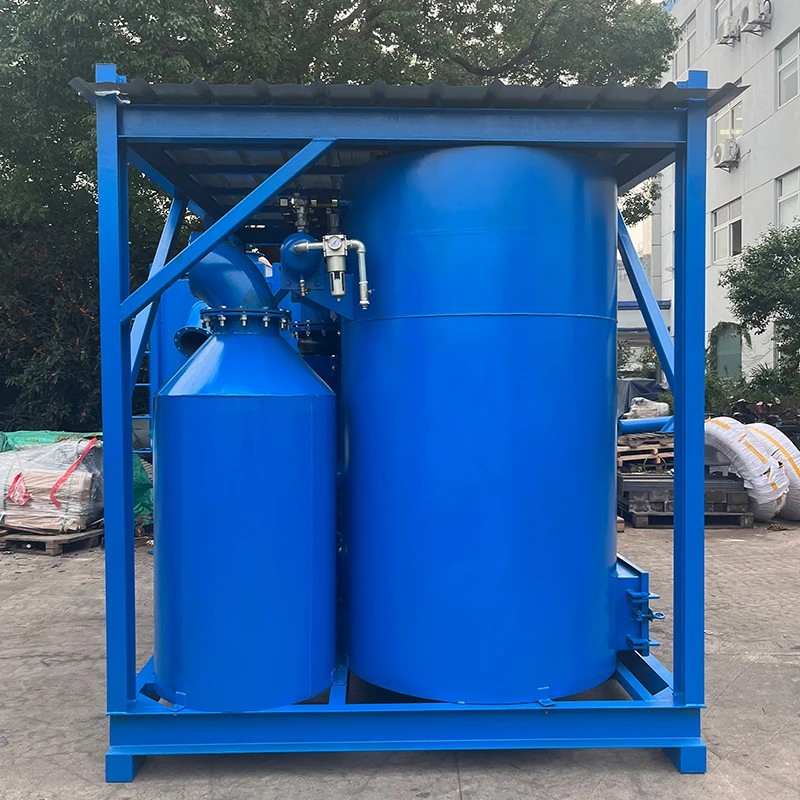
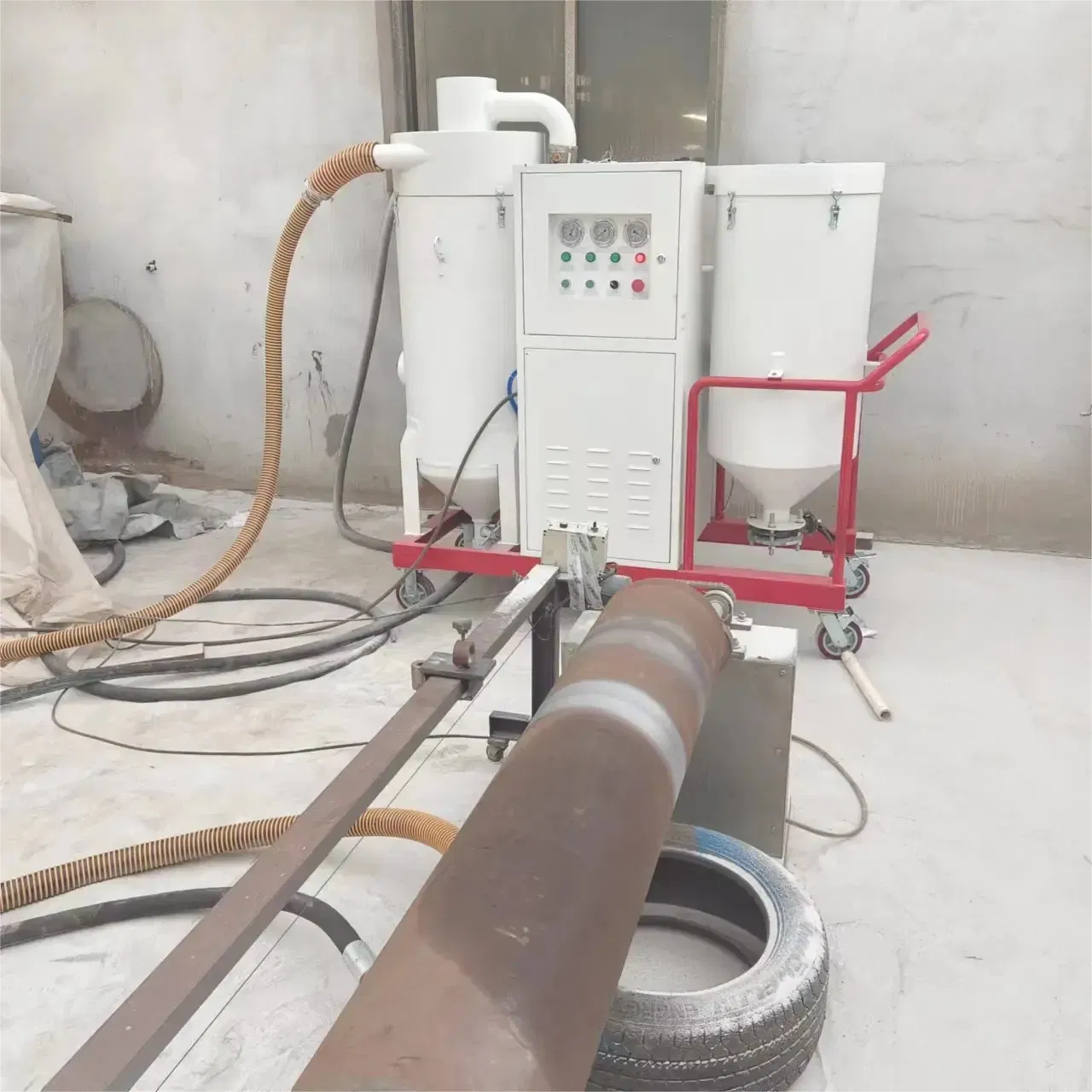
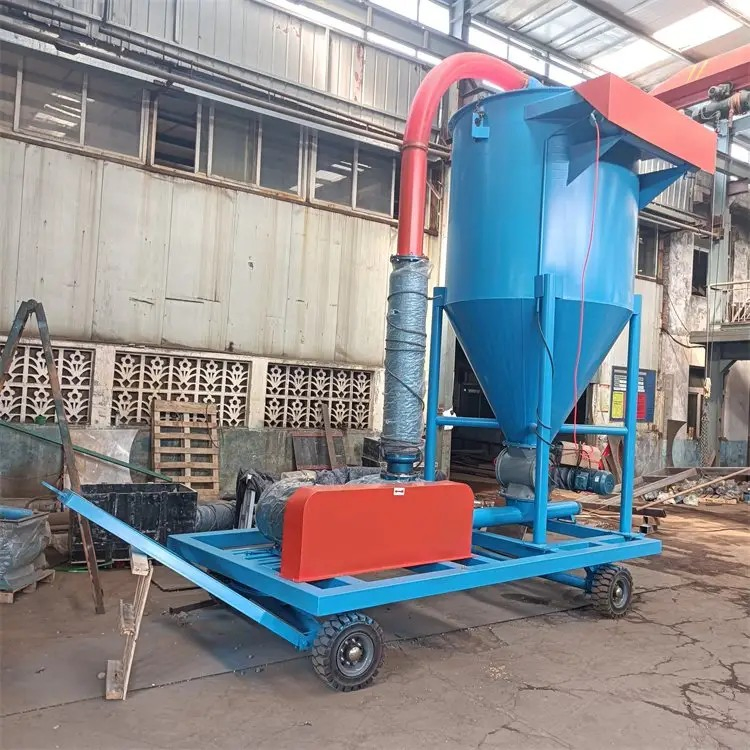
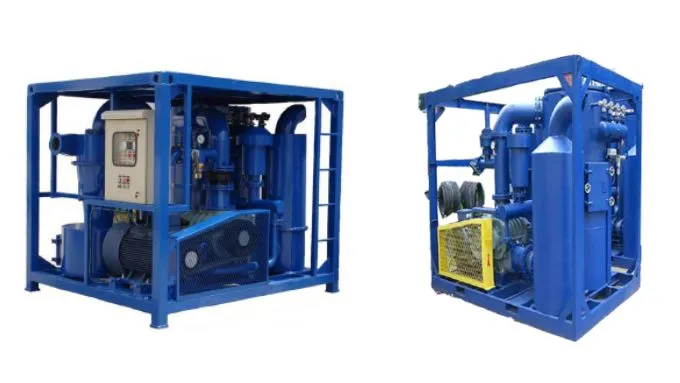
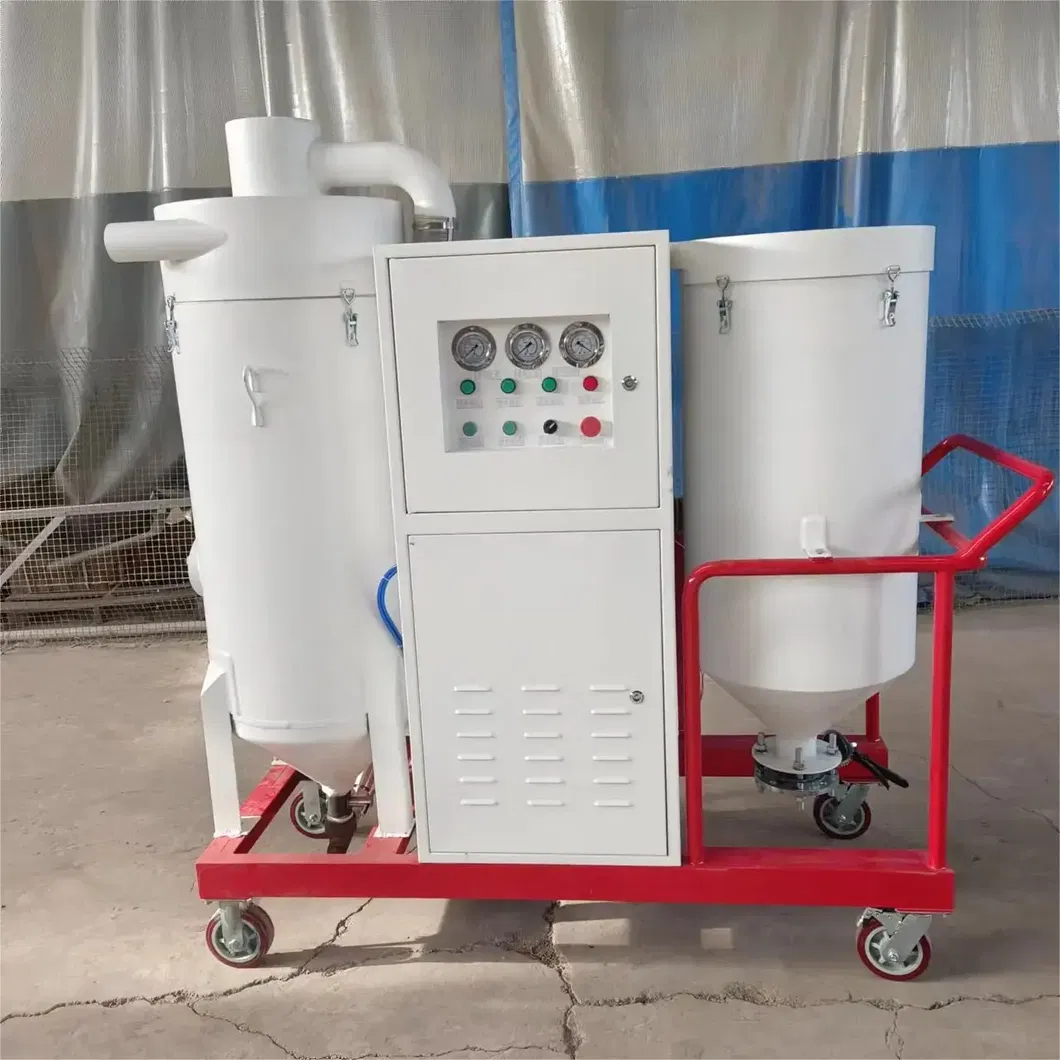
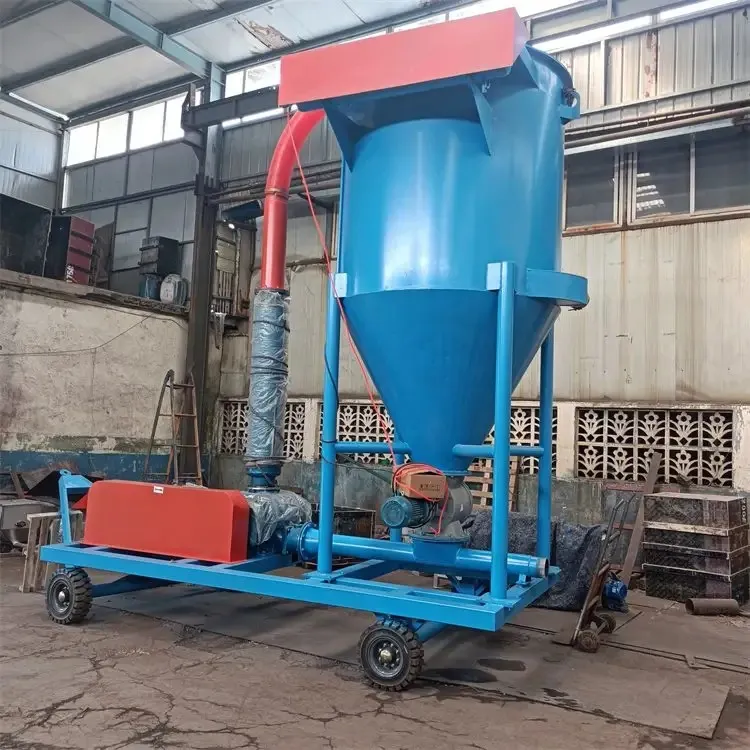
The Vacuum Sand Suction Machine is a specialized industrial equipment designed for efficient extraction, transportation, and recycling of granular or powdered materials such as sand, steel grit, coal dust, and mineral ores. Utilizing vacuum suction technology, it operates by creating negative pressure through a high-performance pump, which enables rapid material transfer while minimizing dust emissions.
| Industry | Use Cases | Technical Highlights |
|---|---|---|
| Foundry & Metal | Recovery of molding sand (new/old), steel shot blasting residue | Cyclone separators for abrasive recycling |
| Construction | Concrete surface preparation, tunnel debris removal | 160 m³/h vacuum pumps for high-volume suction |
| Agriculture | Grain depot loading/unloading, fertilizer powder transfer | Noise levels <60 dB(A) for operator comfort |
| Pharmaceuticals | Direct suction of active pharmaceutical ingredients (APIs) from machinery | FDA-compliant filtration for contamination control |
| Marine | Ship hull rust removal, dock sand extraction | Corrosion-resistant stainless steel frames |
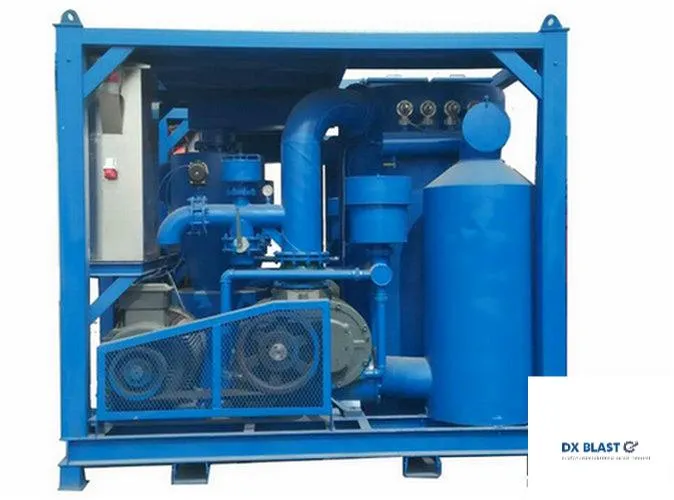
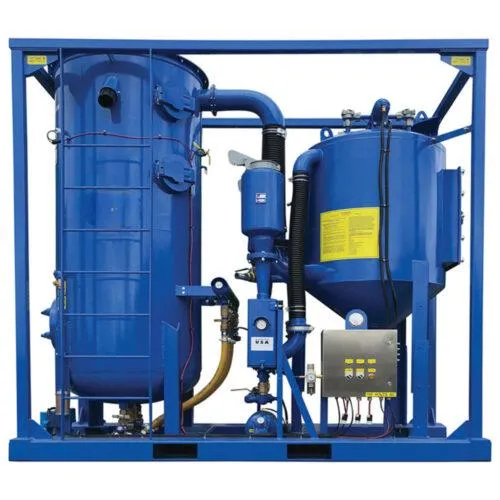
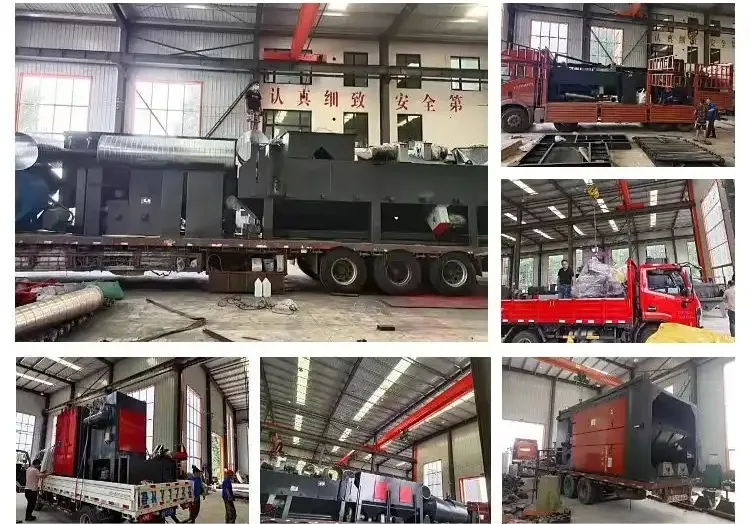
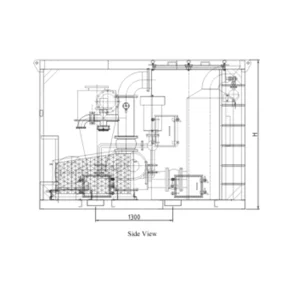
A: The machine uses a rotary vane pump or liquid ring vacuum pump to generate negative pressure. As air is evacuated, materials are drawn through hoses into a cyclone separator, where particles settle into a collection hopper, and clean air is expelled.
A: It supports dry, non-sticky granules/powders like sand, coal dust, steel grit, and food-grade substances. Liquids require specialized models with spill-proof valves.
A: Regularly clean or replace pulse jet filters and inspect cyclone separators for blockages. Use embossed bags to ensure airtight sealing in dust-sensitive industries.
A: Standard models handle 40-50 m horizontal/vertical ranges. For longer distances, booster pumps or specialized high-pressure systems are recommended.
A: Yes. ATEX-certified models with spark-resistant motors and anti-static hoses are available for hazardous zones like coal plants.
A: Industrial units feature higher suction power (≥0.7 MPa), ruggedized materials such as stainless steel, and compatibility with abrasive media, whereas commercial vacuums prioritize portability.