Blatrixo Machine Blatrixo Machine

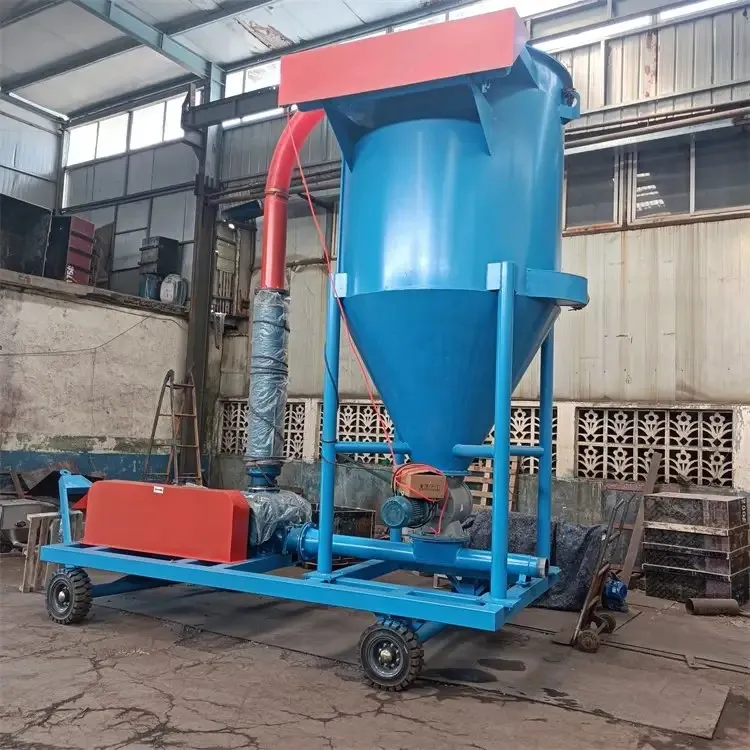
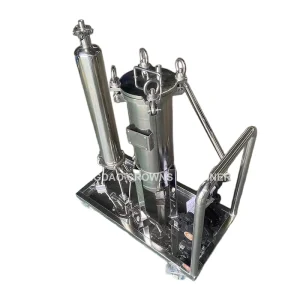
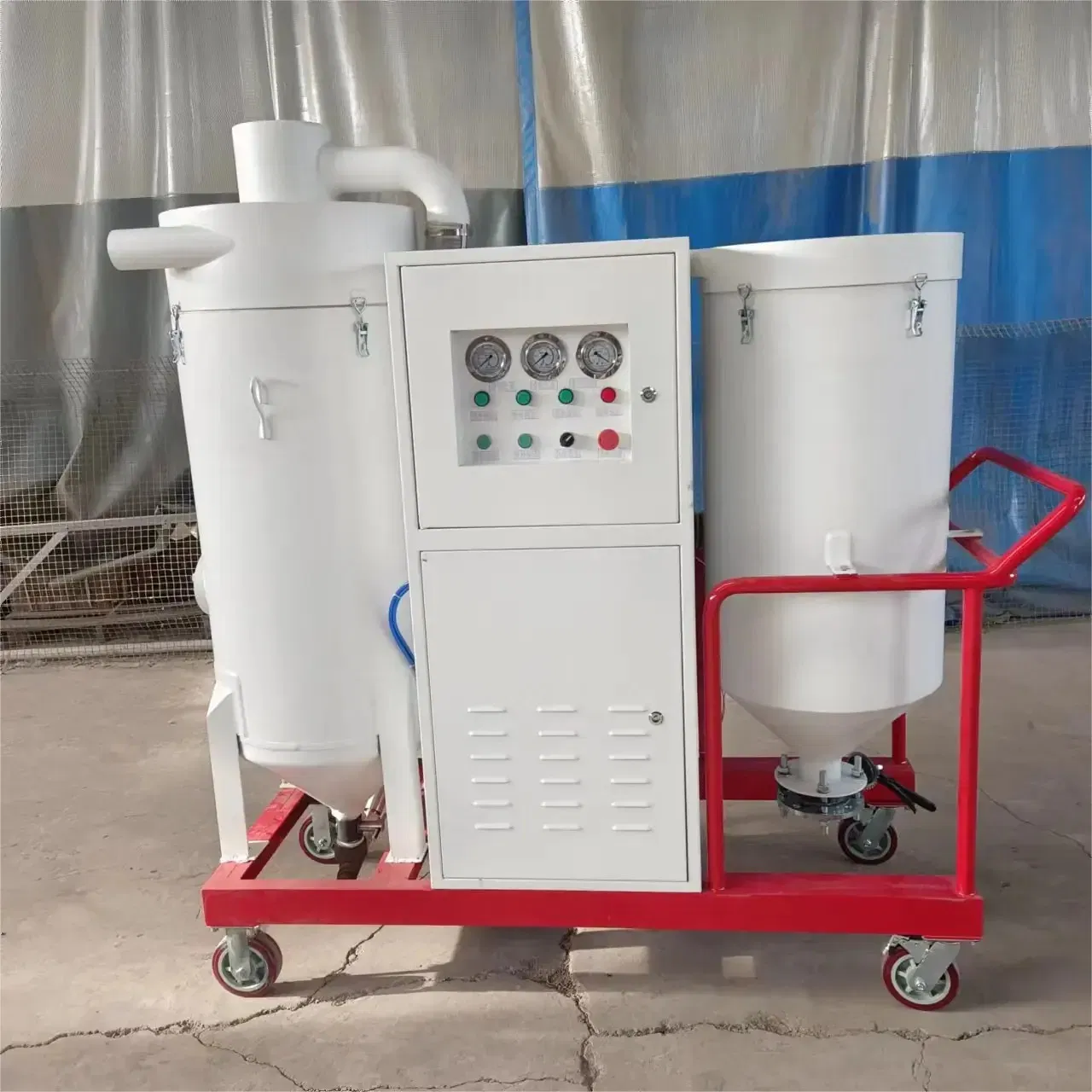
Portable Abrasive Media Recycling Unit with Dust-Free Filtration Mobile Vacuum Sand Suction Machine

Customization: Available
Warranty: 1 Year
Application: Surface Treatment

Product Description

Basic Information
Fuel
Electric
Cleanliness
High Cleanliness
Automation
Automatic
Certification
CE, CB, ETL, RoHS, UR
Feature
Rust / Corrosion Proof
Condition
New
Customized
Customized
Power Supply
220V/380V/415V
Air Consumption
2-4 M³/Min @ 0.7 MPa
Vacuum Pressure
16.7 Kpa
Motor Power
2.2 Kw - 5.5 Kw
Abrasive Capacity
60-80 L
Filtration Efficiency
>99.9% (0.5μm)
Hose Length
5-40 M
Media Compatibility
Steel Shot, Glass Beads, Garnet
Mobility
Wheeled Chassis (600-1200 Kg)
Dust Collection
Pulse Jet Filter
Origin
China
Product Description

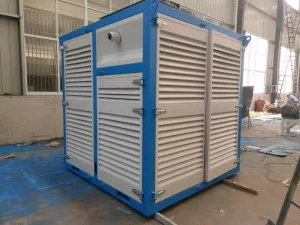
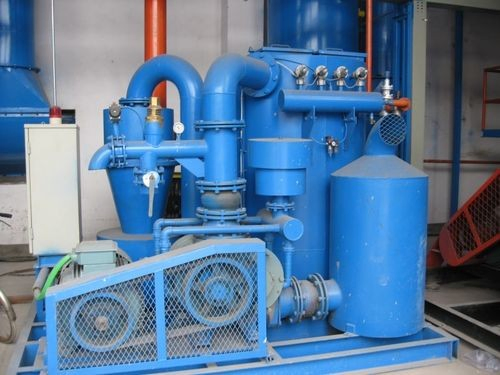
The Vacuum Sand Suction Machine is a specialized industrial equipment designed for efficient extraction, transportation, and recycling of granular or powdered materials such as sand, steel grit, coal dust, and mineral ores. Utilizing vacuum suction technology, it operates by creating negative pressure through a high-performance pump, which enables rapid material transfer while minimizing dust emissions.
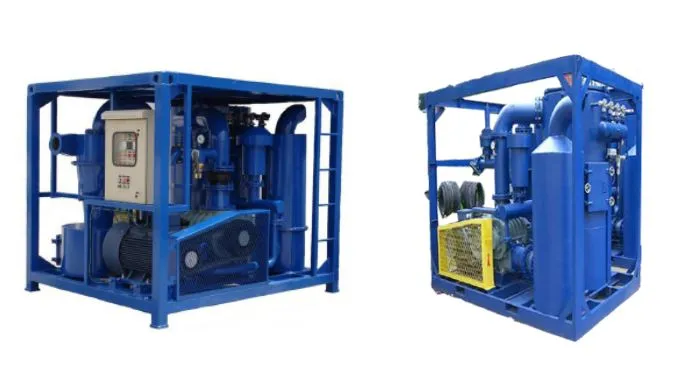
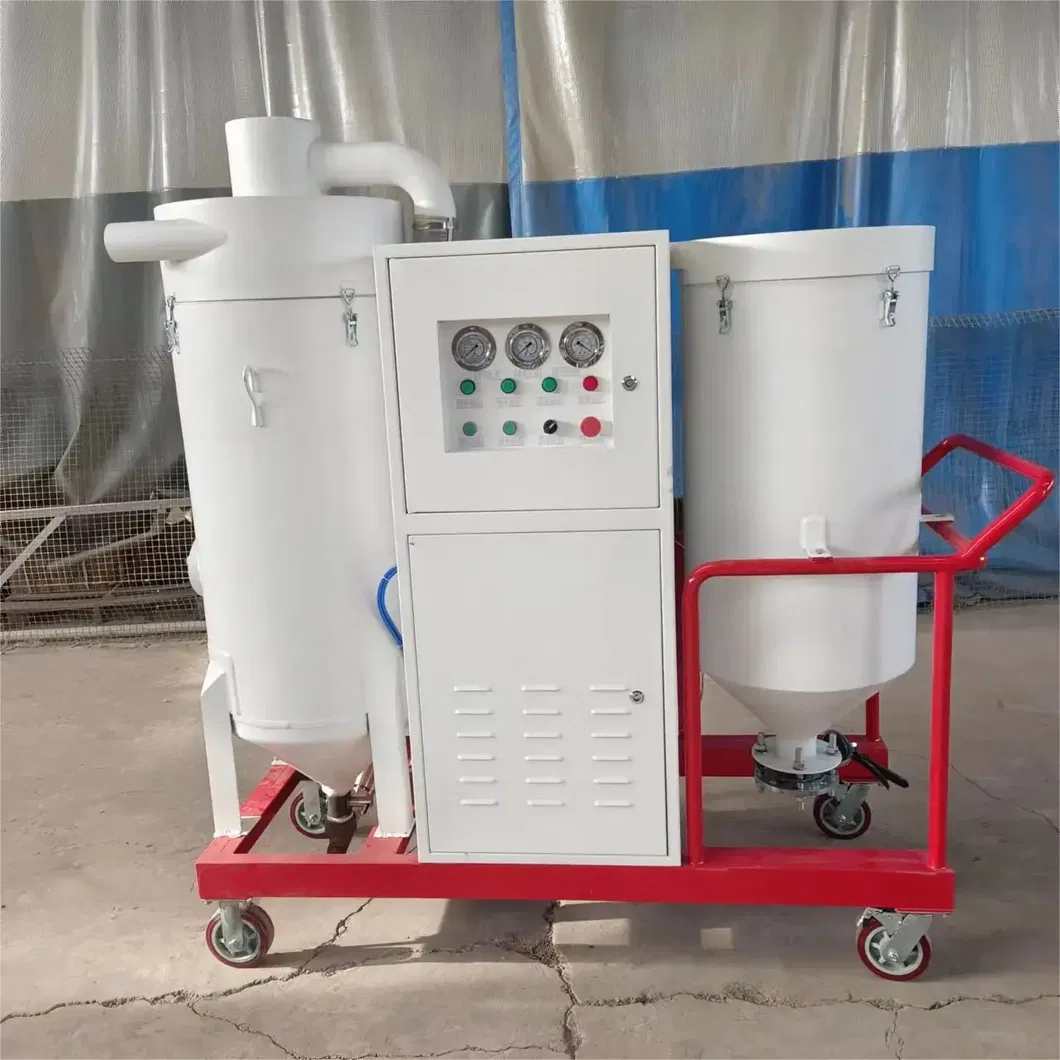
Vacuum Sand Suction Machine

Key Components

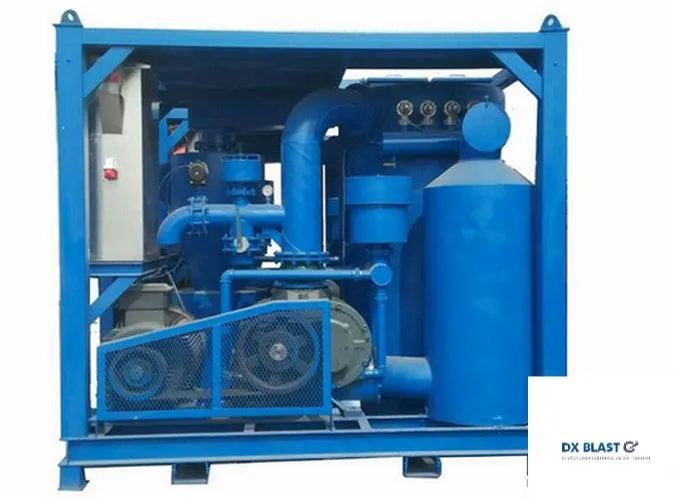
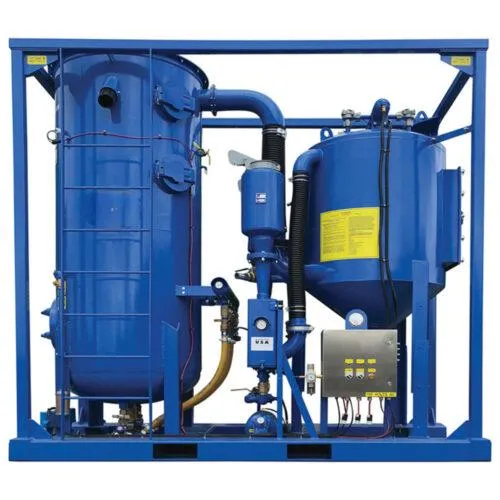
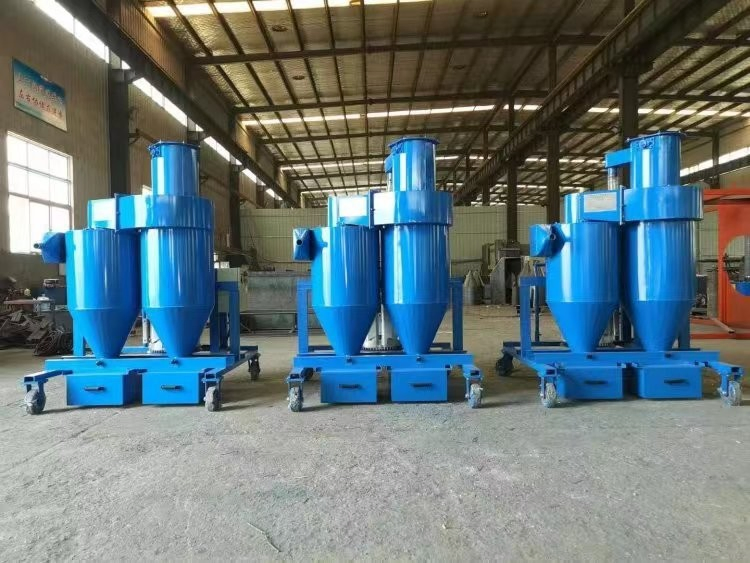
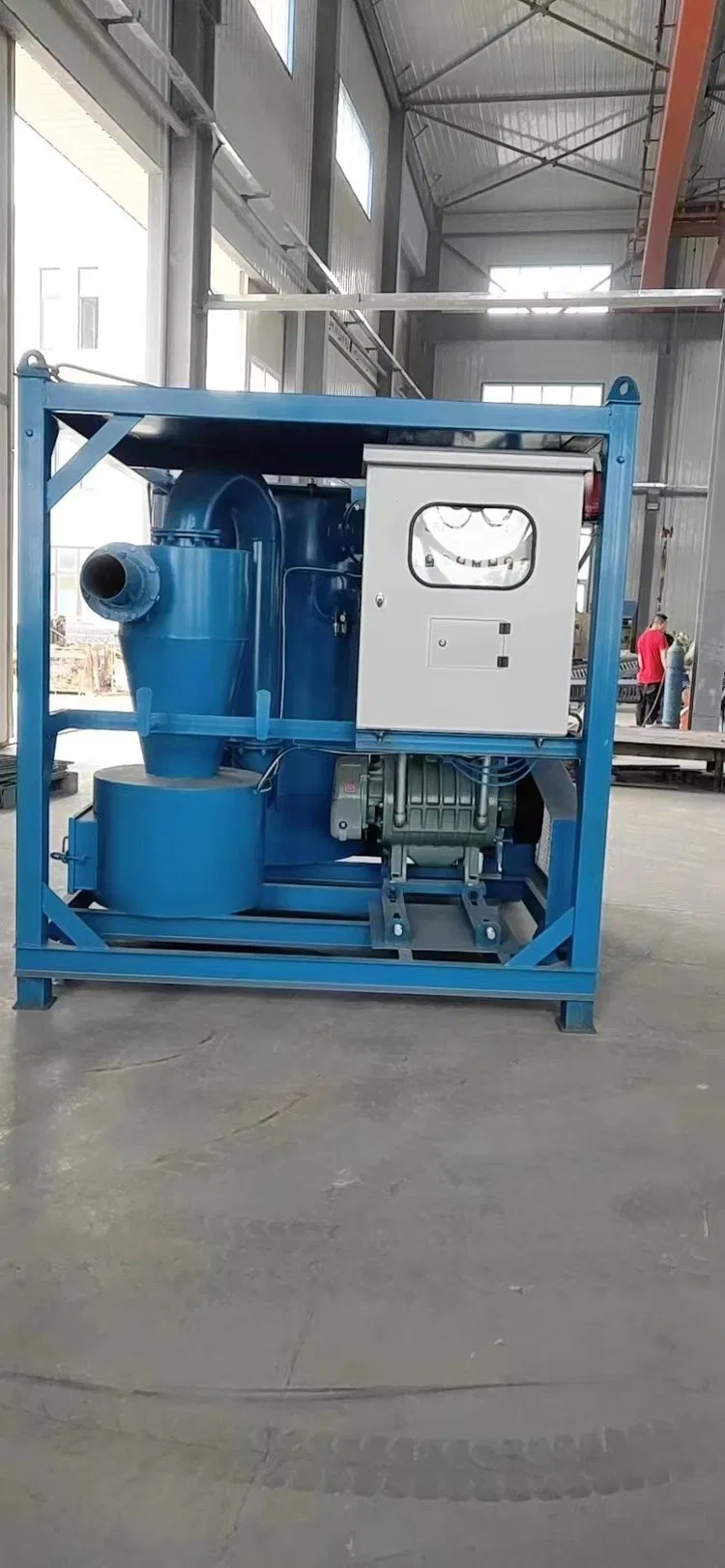
  • Cyclone Separators: For separating abrasive particles from airflow, ensuring high filtration efficiency (>99.9% for 0.5μm particles).
  • Closed-Loop Systems: Enable continuous suction and material recycling, reducing waste and operational downtime.
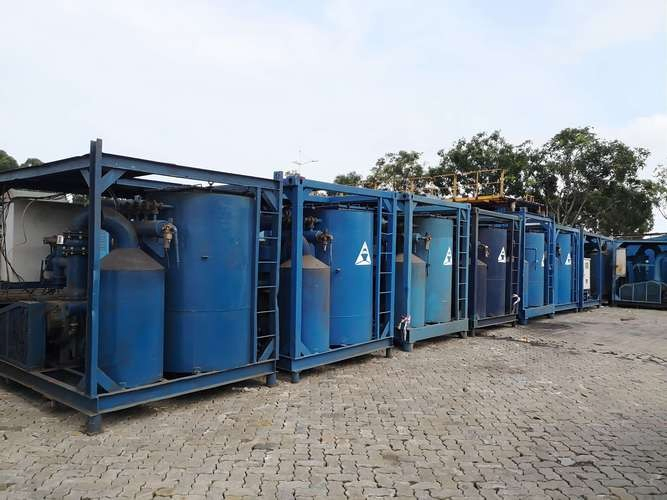
  • Mobile Chassis: Wheeled designs (600-1,200 kg) allow flexibility in construction sites, shipyards, or foundries.
  • Multi-Voltage Compatibility: Supports 220V/380V/415V power inputs for global adaptability.
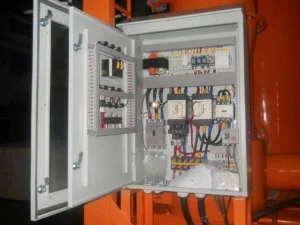
Component Detail 1
Component Detail 2

Key Advantages

  • High Efficiency & Energy Savings: Achieves 80 L/min suction flow with low power consumption, reducing material loss by 90%.
  • Dust-Free Operation: Integrated pulse jet filters and cyclone separators ensure >99.9% dust capture.
  • Versatile Material Handling: Compatible with steel grit, glass beads, garnet sand, and food-grade powders.
  • Durability & Low Maintenance: Stainless steel construction resists corrosion; modular designs simplify part replacement.
  • Mobility & Adaptability: Compact units with 5-40 m hose lengths suit confined spaces and heavy-duty tasks.
Industrial Applications
Industry Use Cases Technical Highlights
Foundry & Metal Recovery of molding sand, steel shot blasting residue Cyclone separators for abrasive recycling
Construction Concrete surface preparation, tunnel debris removal 160 m³/h vacuum pumps for high-volume suction
Agriculture Grain depot loading/unloading, fertilizer transfer Noise levels <60 dB(A) for operator comfort
Pharmaceuticals Direct suction of APIs from machinery FDA-compliant filtration for contamination control
Marine Ship hull rust removal, dock sand extraction Corrosion-resistant stainless steel frames
Application View 1
Application View 2
Packaging & Shipping
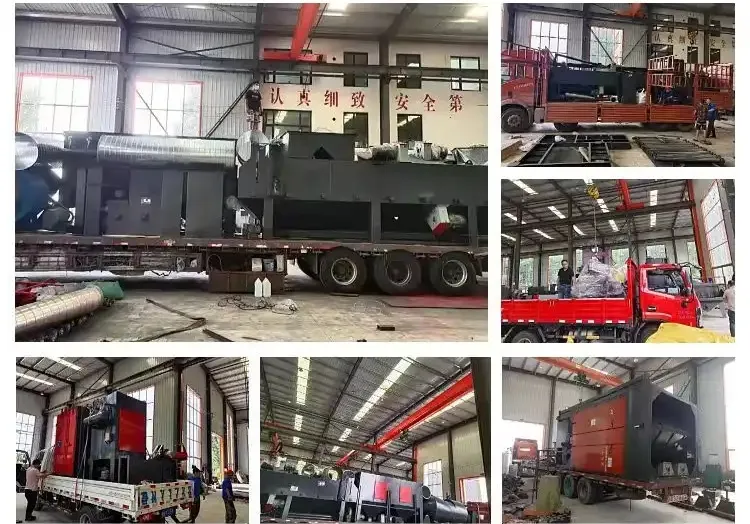
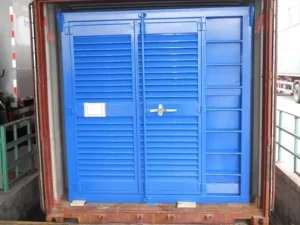
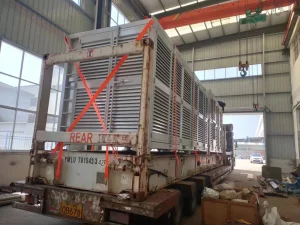
  • Small spare parts secured in plywood wooden cases.
  • Main components packed according to standard safety requirements.
  • Shipping: Professional container transport for global delivery.
Packaging and Shipping
Quality Assurance
Quality Control and Certificates

Frequently Asked Questions

How does the vacuum suction mechanism work?
The machine uses a rotary vane pump or liquid ring vacuum pump to generate negative pressure. As air is evacuated, materials are drawn through hoses into a cyclone separator, where particles settle into a collection hopper, and clean air is expelled.
What materials can it handle?
It supports dry, non-sticky granules/powders like sand, coal dust, steel grit, and food-grade substances. Liquids require specialized models with spill-proof valves.
How to maintain filtration efficiency?
Regularly clean or replace pulse jet filters and inspect cyclone separators for blockages. Use embossed bags for dust-sensitive industries to ensure airtight sealing.
What are the limitations in transport distance?
Standard models handle 40-50 m horizontal/vertical ranges. For longer distances, booster pumps or high-pressure systems are recommended.
Can it operate in explosive environments?
Yes. ATEX-certified models with spark-resistant motors and anti-static hoses are available for hazardous zones such as coal plants.
What distinguishes industrial models from commercial vacuums?
Industrial units feature higher suction power (≥0.7 MPa), ruggedized materials like stainless steel, and compatibility with abrasive media, whereas commercial vacuums prioritize portability.

Related Products